How to Reduce Visceral Fat
Jul 13, 2026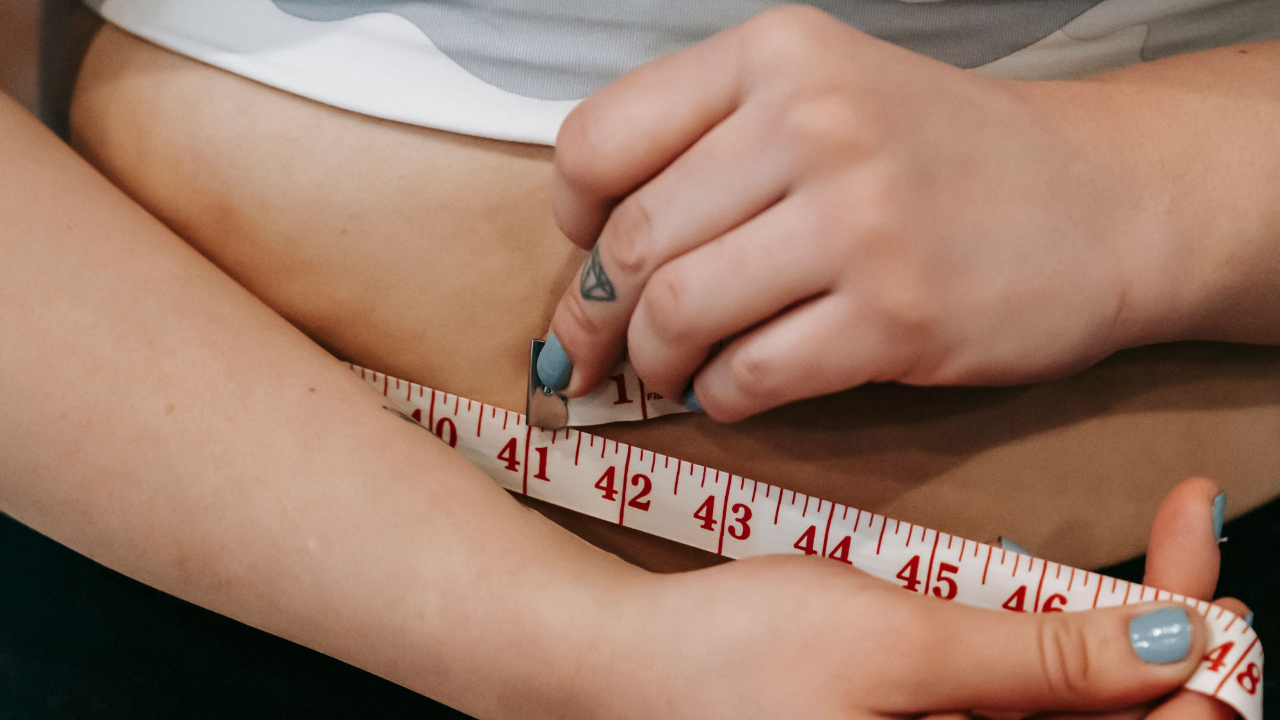
Visceral fat is the latest and greatest topic in the health space, and with good reason because not all body fat is created equal.
Believe me when I say you need to listen up about this topic. It’s a key component of health and longevity.
Visceral fat is the fat stored deep within the abdominal cavity surrounding organs such as the liver, pancreas, and intestines. Excess visceral fat is associated with increased risk for insulin resistance, type 2 diabetes, cardiovascular disease, inflammation and metabolic dysfunction.
The good news is that visceral fat tends to respond well to targeted nutrition and lifestyle changes. Here are a few to focus on:
Eat Protein at Every Meal
Protein helps preserve lean muscle mass, increases satiety and can reduce overall calorie intake. Aim to include high-quality protein sources such as fish, poultry, eggs, Greek yogurt, cottage cheese, legumes or leaner choices of meats at each meal.
Eat More Fiber
Fiber-rich foods help regulate appetite, improve blood sugar control and support gut health. Choose more vegetables, fruits, beans, lentils, oats, chia seeds and flaxseeds to reduce visceral fat over time.
Reduce Refined Carbohydrates and Added Sugars
This should be a goal no matter what but foods like sugary drinks, desserts, candy and highly processed snack foods can contribute to elevated blood sugar and insulin levels, which may promote visceral fat accumulation. Replacing these foods with whole-food carbohydrate sources can improve metabolic health and body composition.
Choose Healthy Fats
Another tip that falls into the “should do this anyway” category. Emphasize unsaturated fats from foods such as olive oil, avocados, nuts, seeds and fatty fish. These foods support heart health and may help reduce inflammation while improving satiety.
Prioritize Meal Consistency
Skipping meals or eating erratically can make it more difficult to manage hunger and blood sugar levels. Consistent meal timing helps support energy balance and can reduce the likelihood of overeating later in the day.
Limit Alcohol Intake
Sorry to be the bearer of “bad” news but alcohol not only increases your daily calorie intake but is also often associated with increased abdominal and visceral fat accumulation. Moderating alcohol consumption may support reductions in waist circumference and overall health.
If you want to reduce visceral fat, I would not recommend following too restrictive of a daily nutrition plan or eliminating entire food groups. Rather, focus on a daily nutrition plan that centered on adequate protein, high-fiber foods, healthy fats and minimally processed carbohydrates. This can help improve metabolic health and gradually reduce visceral fat. Combined with regular exercise, quality sleep and stress management, these habits can lead to meaningful improvements in body composition and long-term health and longevity.
Want more help with your health and nutrition? Reach out to our team of Sports Dietitians at eNRG Performance.

PS - If you want help in optimizing your performance nutrition plan, check out our Optimal Performance Nutrition Program. It is a 6-week program that helps you periodize your nutrition, nutrient timing and supplements to optimize health and performance.
SUBSCRIBE AND WE WILL DROP SOME HEALTHY INSPIRATION IN YOUR INBOX
We hate SPAM. We will never sell your information, for any reason.