Fat Loss and Athletic Performance
Jun 01, 2026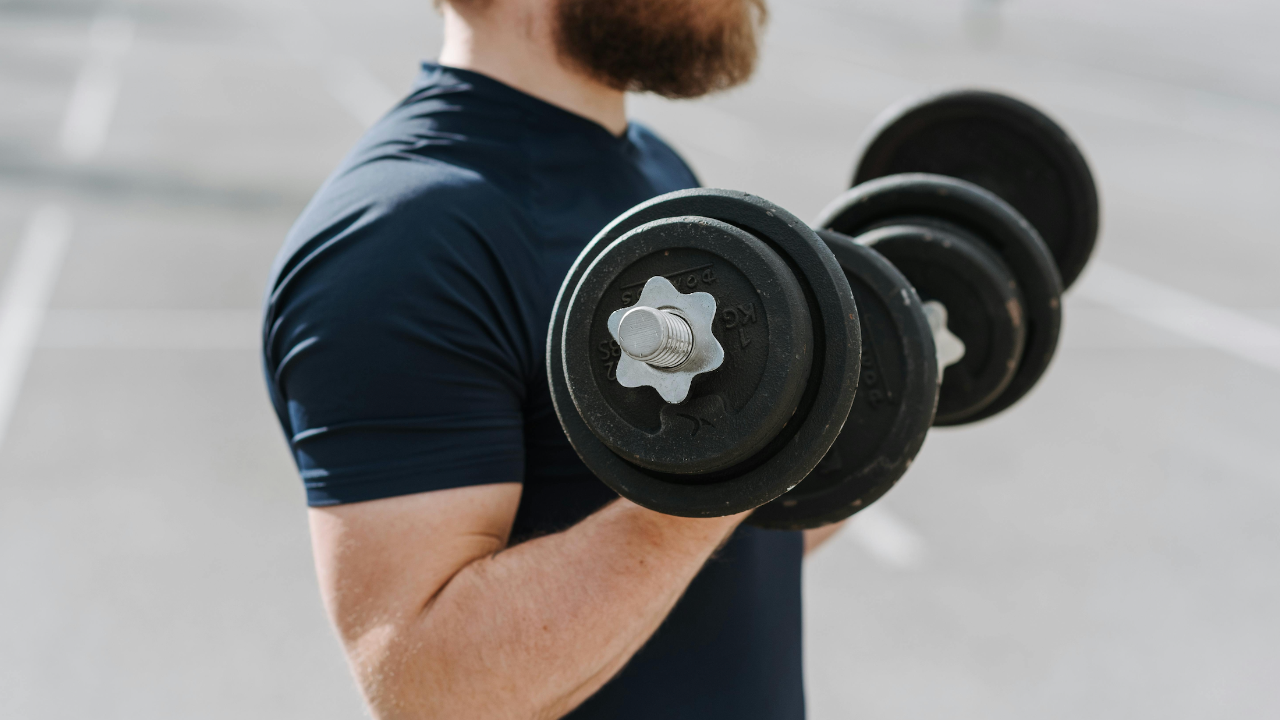
Definitely one of the most common (and difficult) topics athletes hire me to help them with is losing body fat. While losing body fat is absolutely realistic, it must be done correctly to avoid a decrease in performance.
Many athletes simply approach losing body fat too aggressively via large calorie deficits, excessive aerobic exercise and reduced carbohydrate intake. While all of these may lead to weight loss, they will likely come at the expense of athletic performance.
The key is to shift from a “weight loss” mindset to a performance-preserving fat loss strategy. Here are some tips to initiate in your fat-loss journey:
#1 - Create a calorie deficit. It is true that a small daily calorie deficit, typically a few hundred calories per day, will be enough to drive fat loss while still supporting training, recovery and hormonal balance (an often overlooked aspect of fat loss). However, keep in mind that larger daily calorie deficits can increase fatigue, impair recovery and often lead to muscle loss.
#2 - Time your carbohydrates. Instead of declaring war on all carbohydrate-rich foods, periodize your intake based on training demand (read more about this in my Nutrition Periodization for Athletes Book. And remember to work with a qualified Sports Dietitian (like our team of pros at eNRG Performance) to help you periodize your carbohydrates because it’s not as simple as eating more on higher training days. There is more of a science to it.
#3 - Eat enough protein. Aim for about 1 handful of protein, distributed evenly across meals and about 1/2 handful for snacks. That will get you in the ballpark but again, work with a qualified Sports Dietitian who can customize the amount of daily protein you should be consuming.
#4 - Lift weights. This is a non-negotiable. If you want to lose fat, you must participate in resistance training. Without it, the body has no reason to preserve muscle during a calorie deficit. I recommend 3-5 sessions per week.
#5 - Get bloodwork done. This is often a missed step with most athletes but it is ever so important. It is crucial to understand what is happening with your hormones (among other biomarkers) in your body before trying to lose fat. In fact, a comprehensive blood screening panel (like the one we do at eNRG Performance) can usually speed the process of seeing results!
Last but not least, be sure to also be good about monitoring your energy level during the day and training, how your body is recovering from exercise and how your mood and sleep patterns are from day to day.
Losing body fat is an achievable goal but it must be done in a systematic manner that is customized to your body. Contact us for more information on how we can help you achieve your health, performance and longevity goals.

PS - If you want help in optimizing your performance nutrition plan, check out our Optimal Performance Nutrition Program. It is a 6-week program that helps you periodize your nutrition, nutrient timing and supplements to optimize health and performance.
SUBSCRIBE AND WE WILL DROP SOME HEALTHY INSPIRATION IN YOUR INBOX
We hate SPAM. We will never sell your information, for any reason.