Spermidine: A Nutrient Linked to Cellular Health and Healthy Aging
Nov 02, 2026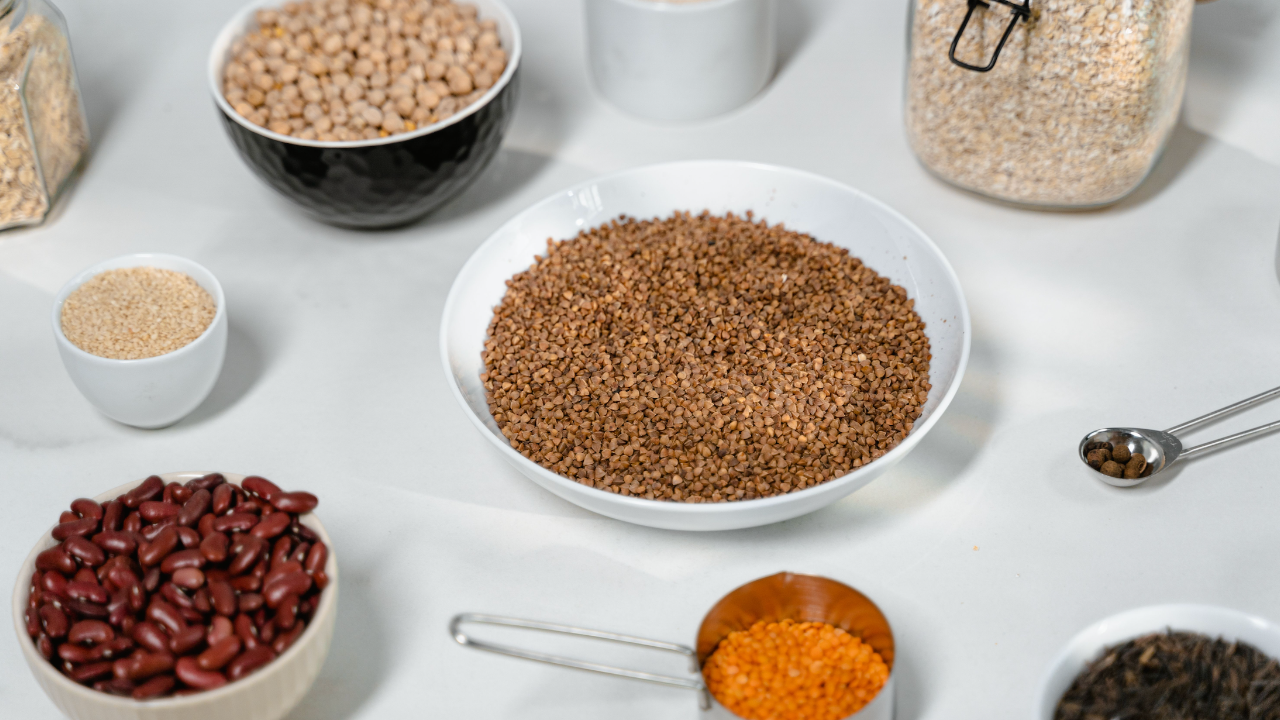
Even though this nutrient has been gaining attention in the longevity space, I’m betting it may be new on your radar. Have you heard of spermidine yet?
Spermidine is a naturally occurring polyamine found in every human cell and in a variety of foods. It has become increasingly interesting in nutrition and longevity research because of its role in cellular maintenance, autophagy, mitochondrial function and healthy aging.
One of the most important actions associated with spermidine is its ability to promote autophagy (a natural cellular recycling process). During autophagy, cells identify and break down damaged proteins, dysfunctional cellular components and other cellular debris so that some of the resulting components can be reused.
Autophagy becomes particularly important as we age because cellular quality-control mechanisms can become less efficient. Research suggests that spermidine can stimulate autophagy and help support proteostasis, which is the body's ability to maintain healthy, functional proteins.
Spermidine has also been investigated for cardiovascular health. Animal research suggests that increasing spermidine can enhance cardiac autophagy and mitophagy, potentially supporting the health of heart muscle and blood vessels. Keep in mind that is animal research. However, observational research in humans has found associations between higher dietary spermidine intake and lower blood pressure and cardiovascular disease risk. But remember, these are simply observational findings and do not provide an association with preventing cardiovascular disease. Much more research needs to be done first.
Another interesting potential role of spermidine is in brain aging and cognition. Laboratory and animal research suggests that spermidine may support mitochondrial function, cellular recycling, synaptic health and removal of damaged cellular components in the brain.
However, as is usually the case, human evidence is more mixed. A small early trial found improvements in some measures of memory but it is premature to describe spermidine as a proven cognitive or dementia-prevention supplement.
Now for the good stuff - where you can get spermidine.
Spermidine occurs naturally in foods, particularly the following:
- wheat germ
- whole grains
- soybeans and other legumes
- mushrooms
- some aged or fermented foods
This makes spermidine particularly interesting from a nutrition perspective because rather than viewing it more as a supplement, it can be considered one component of your metabolically efficient daily nutrition plan.
Of course, you can get it in supplement form but studies are inconclusive regarding the most beneficial form and dose. For now, I would place more emphasis on getting it from food versus supplement form.
Perhaps the most interesting way to think about spermidine is not as a "longevity pill" but as a nutritional compound that participates in the body's cellular maintenance systems. Its relationship with autophagy, mitochondrial health, inflammation and proteostasis makes it relevant to the broader goal of maintaining function as we age.

PS - If you want help in optimizing your performance nutrition plan, check out our Optimal Performance Nutrition Program. It is a 6-week program that helps you periodize your nutrition, nutrient timing and supplements to optimize health and performance.
SUBSCRIBE AND WE WILL DROP SOME HEALTHY INSPIRATION IN YOUR INBOX
We hate SPAM. We will never sell your information, for any reason.