How to Choose the Best Beef Jerky
Aug 11, 2026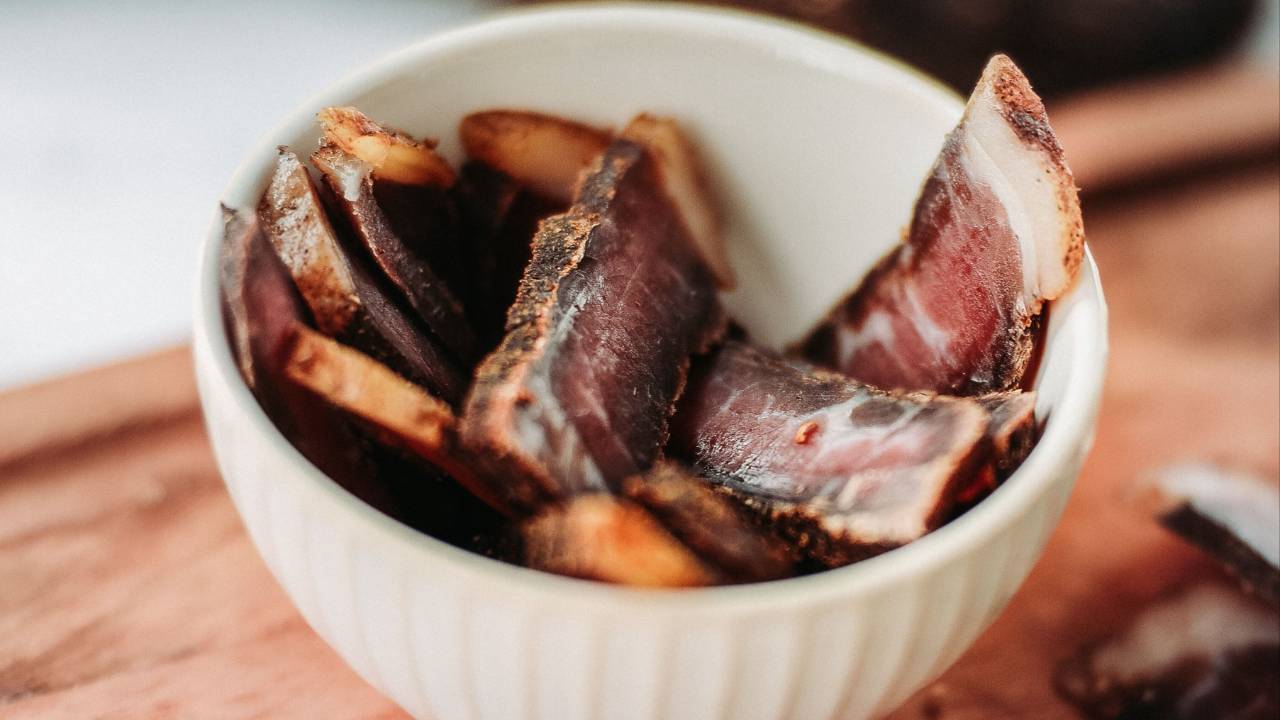
I love beef jerky. It’s an easy, portable source of protein that can make your life so much easier when you are in a pinch and can’t cook or grab food. However, there are some things to consider before choosing beef jerky.
Some are packed with added sugars, excessive sodium, preservatives and artificial ingredients that can reduce their overall nutritional value.
Here’s a list of what to look for on the label so you can choose a jerky that supports both your health and your performance.
1. Prioritize protein
A quality beef jerky should be an excellent source of protein. Look for products that provide at least 10 - 15 grams of protein per serving, with minimal added carbohydrates and fat.
2. Keep added sugar low (high importance)
Many flavored jerkies are sweetened with brown sugar, honey, maple syrup or high-fructose corn syrup. While a small amount of sugar isn't necessarily harmful, some products contain more sugar than expected.
As a general guideline, choose jerky with less than 3 grams of added sugar per serving and look for minimal sweeteners listed near the top of the ingredient list.
3. Watch the sodium
Sodium plays an important role in preserving jerky and can be beneficial for athletes who sweat heavily. However, many commercial products contain very large amounts.
Aim for products with 300 - 500 mg of sodium per serving for everyday snacking. Endurance athletes training in hot conditions or during long events may intentionally choose higher-sodium options to help replace sweat losses.
4. Read the ingredient list
Shorter ingredient lists are often a good sign. Look for recognizable ingredients such as:
- Beef
- Salt
- Vinegar
- Natural spices
- Garlic
- Onion
- Black pepper
Limit products containing numerous artificial colors, flavors, fillers or unnecessary preservatives.
5. Consider the source of the beef
Whenever possible, choose jerky made from grass-fed beef, pasture-raised cattle and minimally processed meat.
While these products are not always nutritionally superior in every aspect, they often contain fewer additives and appeal to consumers seeking more natural food sources.
6. Look for quality certifications
Depending on your goals, you may want products that are:
- Gluten-free
- Certified Paleo
- No added nitrates or nitrites (except those naturally occurring in celery powder)
7. Consider the fat content
Most traditional beef jerky is naturally lean. Products with 2 - 5 grams of fat per serving tend to provide plenty of protein while keeping calories reasonable.
Beef jerky can be a healthy, portable, high-protein snack when you choose wisely. Rather than focusing on marketing claims on the front of the package, turn the product over and read the Nutrition Facts panel and ingredient list.
For most people, the healthiest beef jerky is one that provides plenty of protein, contains little added sugar, uses a short list of recognizable ingredients and has a sodium content that matches your individual needs.
Reach out to our team of Sports Dietitians at eNRG Performance to help you optimize your nutrition for health, longevity and performance.

PS - If you want help in optimizing your performance nutrition plan, check out our Optimal Performance Nutrition Program. It is a 6-week program that helps you periodize your nutrition, nutrient timing and supplements to optimize health and performance.
SUBSCRIBE AND WE WILL DROP SOME HEALTHY INSPIRATION IN YOUR INBOX
We hate SPAM. We will never sell your information, for any reason.