Emotional Eating: Understanding the Why Behind the Cravings
Jun 15, 2026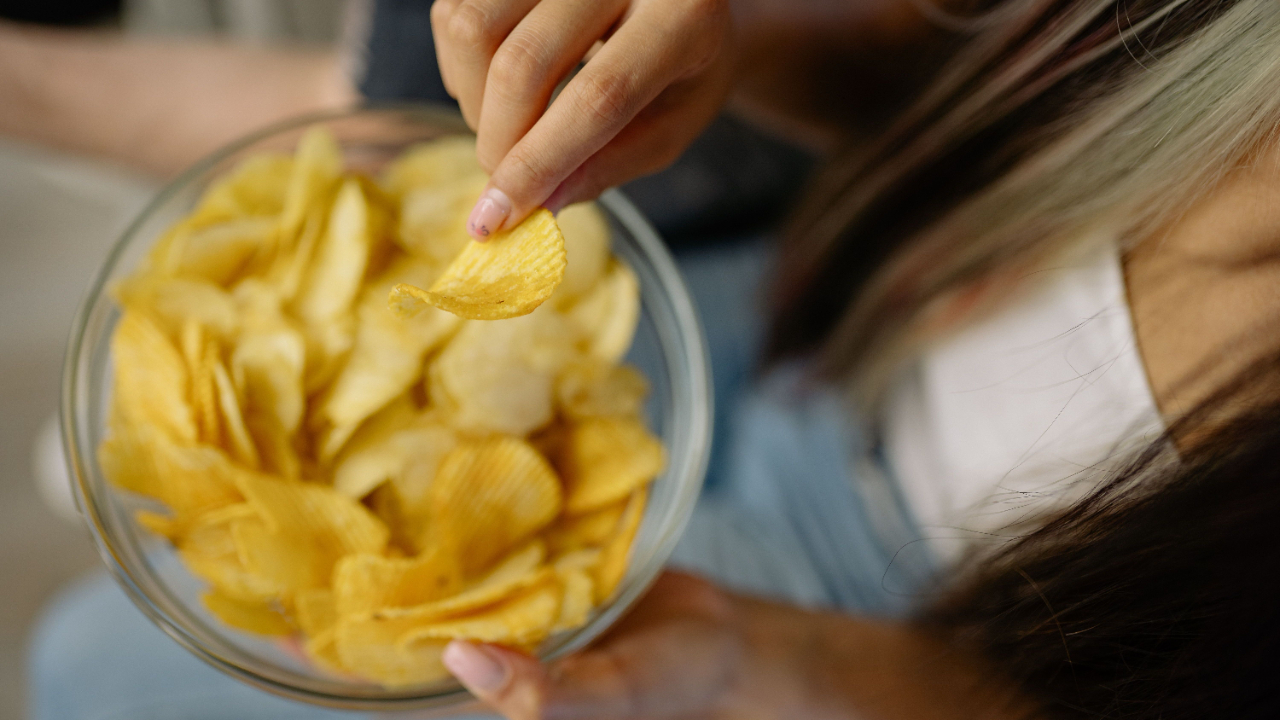
Listen, we all experience emotional eating from time to time. It’s 100% normal but unfortunately, when most people think about emotional eating, they often picture someone eating a pint of ice cream after a stressful day. While emotional eating can look like that, it can also be much more subtle, especially in athletes.
Emotional eating occurs when food is used primarily to cope with emotions rather than to satisfy biological hunger. Stress, anxiety, boredom, frustration, loneliness, disappointment and even celebration can all influence eating behaviors. For athletes, the pressures of training, competition, injury, performance expectations, travel, work, family and other life situations can create emotional triggers that impact food choices.
It's important to understand that emotional eating is not a bad thing. Food is often connected to comfort, culture, social connection and enjoyment. The goal is not to eliminate emotional eating entirely, but rather to recognize when (and why) it is occurring and ensure it does not negatively affect health, performance or your relationship with food.
Here are four easy questions to ask yourself to help you distinguish emotional hunger from biological hunger:
- Am I biologically hungry right now (are you having stomach pangs)?
- When was my last meal or snack?
- Am I craving a specific food or simply looking for nourishment?
- What emotion am I experiencing at this moment?
Biological hunger tends to develop gradually and can be satisfied by a variety of foods. Emotional hunger often appears suddenly and is usually accompanied by cravings for comfort-type foods such as sweets, chips or fast food.
Athletes may be more susceptible to emotional eating during periods of injury, reduced playing time, poor performance, academic stress, relationship challenges or times when training and recovery are not adequately supported.
The first step in identifying emotional hunger is awareness. I always recommend athletes keep a simple journal where you track “what”, “when” and “why” you eat. These can help you identify particular patterns and triggers.
Once you have a better idea of “why” you eat and if it is more emotional or biological, the next step is prioritize the following:
- Follow a consistent daily meal timing schedule when possible
- Eat enough calories to support your daily and training needs
- Prioritize your sleep hygiene schedule
- Implement stress management strategies to help you cope with daily stressors
Interestingly, what appears to be emotional eating is sometimes the body's response to under-fueling. Athletes who restrict calories or skip meals often experience intense cravings that can be mistaken for emotional eating.
When emotions are the primary driver, developing alternative coping strategies can be helpful. I always tell my athletes “out of sight, out of mind”, meaning, stay away from the kitchen. Try taking a walk, talking with a friend member (outside of the kitchen), practicing mindfulness or journaling.
Remember, food should provide both fuel and enjoyment. Emotional eating is a normal human experience and athletes are not immune to it. Rather than judging food choices or striving for perfection, try focusing on building awareness, maintaining consistent fueling habits and developing healthy ways to manage stress and emotions.
Our team of Sports Dietitians at eNRG Performance specialize in this, and many more health, performance and longevity-related topics. Reach out to us to help you optimize your health and performance!

PS - If you want help in optimizing your performance nutrition plan, check out our Optimal Performance Nutrition Program. It is a 6-week program that helps you periodize your nutrition, nutrient timing and supplements to optimize health and performance.
SUBSCRIBE AND WE WILL DROP SOME HEALTHY INSPIRATION IN YOUR INBOX
We hate SPAM. We will never sell your information, for any reason.