Mitochondria: The Powerhouse of Your Cells and Your Performance
Dec 29, 2025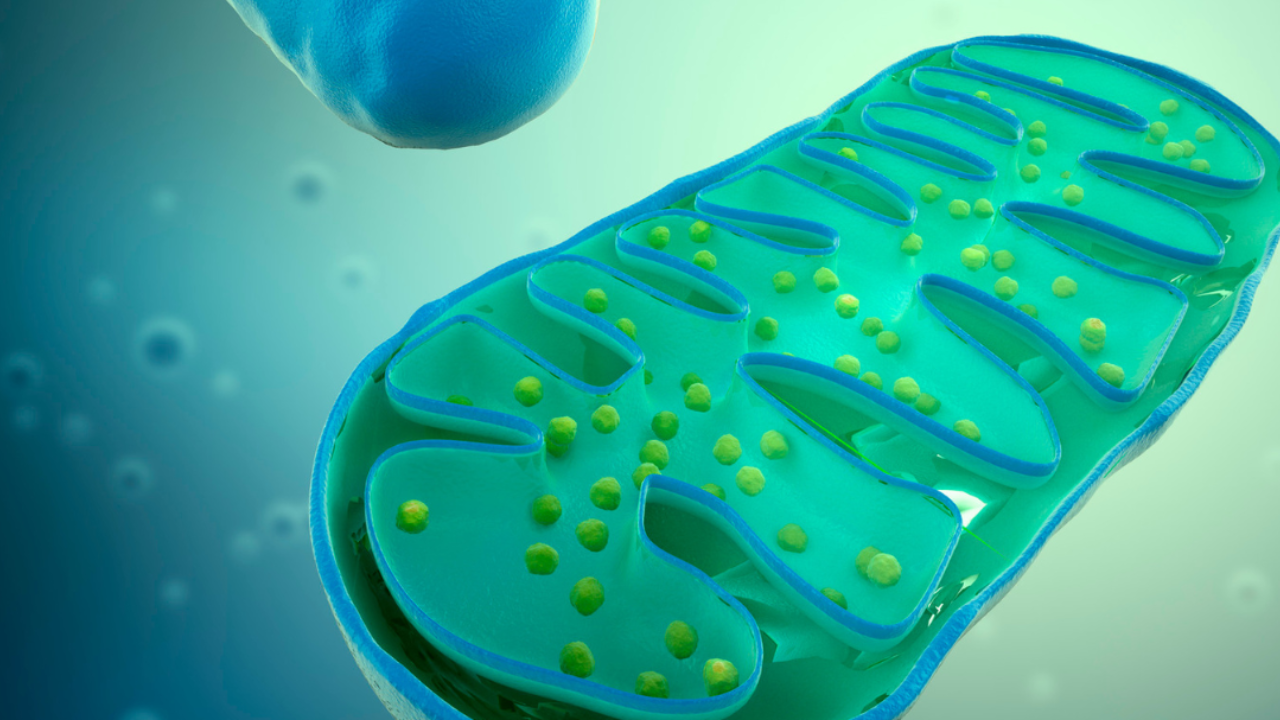
As an athlete, you're constantly pushing the boundaries of human potential. You demand the most from your body, striving for every ounce of endurance, hitting top speeds, and pushing for the quickest recovery. You fine-tune your training, meticulously manage your nutrition, and prioritize your rest. But have you considered the microscopic powerhouses driving every single one of your cellular functions? We're talking about mitochondria - the unsung heroes of energy production, and the key to unlocking your next level of performance.
What do mitochondria do?
Imagine billions of tiny engines humming away in every cell of your body, converting the food you eat and the oxygen you breathe into usable energy (adenosine triphosphate or ATP). That, in a nutshell, is the job of your mitochondria. For an athlete, where energy demand is high, the efficiency and health of these cellular power plants are paramount to your overall performance.
When mitochondrial function is optimized, your body can produce ATP more efficiently, leading to the following:
-
Enhanced endurance: More readily available energy means you can sustain high-intensity efforts for longer periods, pushing past previous limits.
-
Reduced fatigue: Efficient energy production minimizes the metabolic stress that leads to early fatigue, allowing you to maintain power and focus throughout your training or competition.
-
Accelerated recovery: Healthy mitochondria are crucial for cellular repair and regeneration, helping your body bounce back faster from demanding workouts and reducing downtime.
Conversely, compromised mitochondrial function can manifest as persistent fatigue, decreased performance, and a slower recovery process - all significant roadblocks for an athlete.
How can you maximize their potential?
While consistent training and a balanced nutrition plan form the foundation of athletic excellence, the specific micronutrients below play a critical role in optimizing mitochondrial health and function.
- Coenzyme Q10 (CoQ10): It helps by protecting your mitochondrial membranes from oxidative stress - a common byproduct of intense exercise. For athletes, supplementing with CoQ10 can support energy production and help reduce exercise-induced muscle damage, contributing to faster recovery.
- L-Carnitine: an amino acid derivative that plays a crucial role in the breakdown of fats for energy. For athletes who increasingly rely on fat for fuel during prolonged efforts, adequate L-Carnitine levels are essential. Optimizing L-Carnitine can promote better fat utilization, spare glycogen stores, and potentially improve endurance capacity.
- Alpha-Lipoic Acid (ALA): helps regenerate other antioxidants like CoQ10, further protecting cells from damage. Beyond its antioxidant properties, ALA also plays a role in converting carbohydrates into energy. This translates to better energy production and enhanced recovery from oxidative stress.
So how do I use this information?
As an athlete, you understand that small gains accumulate into significant advantages. Focusing on mitochondrial health is not just another trend; it's an investment in your performance at the cellular level.
Start incorporating these components into your daily nutrition plan by making sure you are eating a variety of foods. Items like red meat, fatty fish, nuts and seeds, avocado, and dark leafy greens all promote happy and healthy mitochondria.
If you feel the demands of your training necessitate targeted supplementation to ensure optimal levels, there are also supplements available to assist. REACH OUT to the team of Sports Dietitians at eNRG Performance to help you navigate which supplements may be most beneficial to your individual needs and training demands.

SUBSCRIBE AND WE WILL DROP SOME HEALTHY INSPIRATION IN YOUR INBOX
We hate SPAM. We will never sell your information, for any reason.