Managing Digestion and Butterflies Before a Competition: A Guide for Nervous Athletes
Sep 14, 2026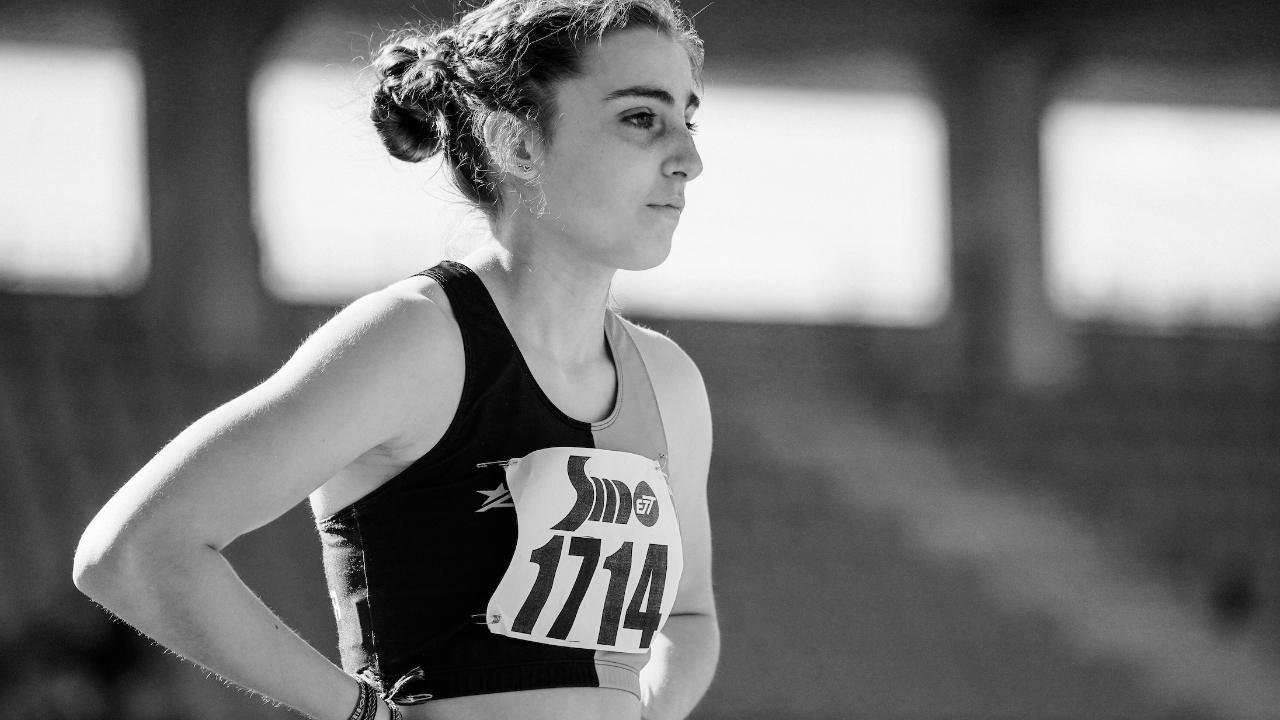
If your stomach turns into a knot the moment you lace up your shoes, you're not alone, and you're definitely not broken. Pre-competition nerves are one of the most common, least talked-about challenges athletes face. For some, it's a flutter of excitement. For others, it's full-blown nausea, a tight throat, and the very real fear of not being able to keep anything down before the start of a competition.
The good news: this isn't just "in your head," and it's not something you have to white-knuckle through every single time. Once you understand what's actually happening in your body, you can build a routine that works with your nervous system instead of against it.
Why Your Stomach Shuts Down
When you're anxious, your body activates its sympathetic nervous system - the "fight or flight" response. This is incredibly useful when you need to sprint, react fast, or push through fatigue. But it comes with a tradeoff: your body deprioritizes digestion.
Blood flow shifts away from your stomach and intestines and toward your muscles. Digestive enzymes slow down. Stomach acid production can spike, leading to that queasy, acidic feeling. For some athletes, this manifests as a total loss of appetite. For others, it means anything they eat sits like a rock, or comes right back up.
Why Not Just Skip The Precompetition Meal?
The instinct for a lot of nervous athletes is to just skip eating altogether before competition. Understandable but costly. Showing up under-fueled can lead to:
- Low blood sugar and early fatigue
- Poor concentration and slower reaction time
- Decreased mental acuity and decision making skills
- Slower sprint speeds and ability to cover ground
The goal isn't to force down a full meal you don't want. It's to find a fueling strategy that your nervous stomach can actually tolerate.
How to Build a Pre-Competition Routine
1. Shift to liquid nutrition closer to competition
Solid food requires more digestive work, and that's exactly what your body is deprioritizing when you're anxious. In the 60 - 90 minutes before competition, consider swapping solid meals for a liquid one - a smoothie with fruit, oats, and a scoop of protein powder digests far more easily than a plate of chicken and rice.
2. Eat your biggest meal earlier in the day
Instead of relying on a big meal right before competition, front-load your nutrition. Eat a substantial, balanced meal about 3 - 4 hours out, when your nerves likely haven't peaked yet. This gives your body time to actually digest it before adrenaline takes over.
3. Sip, don't gulp
Whether it's water, a sports drink, or a liquid meal, drinking small amounts steadily is much easier on a nervous stomach than large gulps. Chugging fluid can trigger nausea, especially when your gut is already on edge. Aim for consistent small sips over 20 - 30 minutes rather than one big drink.
4. Keep It simple and familiar
Competition day is not the time to try a new pre-event smoothie recipe, a new energy bar, or a new supplement. Novel foods add a layer of uncertainty your nervous system doesn't need. Stick to something you've tested repeatedly in practice - your gut responds better to the familiar, especially under stress.
5. Add electrolytes if anxiety has you sweating it out
Nervous energy burns through fluid and sodium faster than most athletes realize. If you notice you're sweating more than usual before competition even starts, a simple electrolyte mix in your water or shake can help you avoid a mid-competition crash - cramping, fatigue, or a sudden energy dip.
When to Talk to a Nutrition Professional
Occasional pre-competition nerves are normal. But if nausea, vomiting, or an inability to eat is a consistent, severe pattern that's affecting your health or performance across many events - not just the big ones - it's worth talking to a sports dietitian. They can help rule out other causes and build a more personalized fueling plan.
Reach out to to the Team of Sports Dietitians at eNRG Performance to help you customize your pre-competition meal planning.

PS - If you want help in optimizing your performance nutrition plan, check out our Optimal Performance Nutrition Program. It is a 6-week program that helps you periodize your nutrition, nutrient timing and supplements to optimize health and performance.
SUBSCRIBE AND WE WILL DROP SOME HEALTHY INSPIRATION IN YOUR INBOX
We hate SPAM. We will never sell your information, for any reason.